
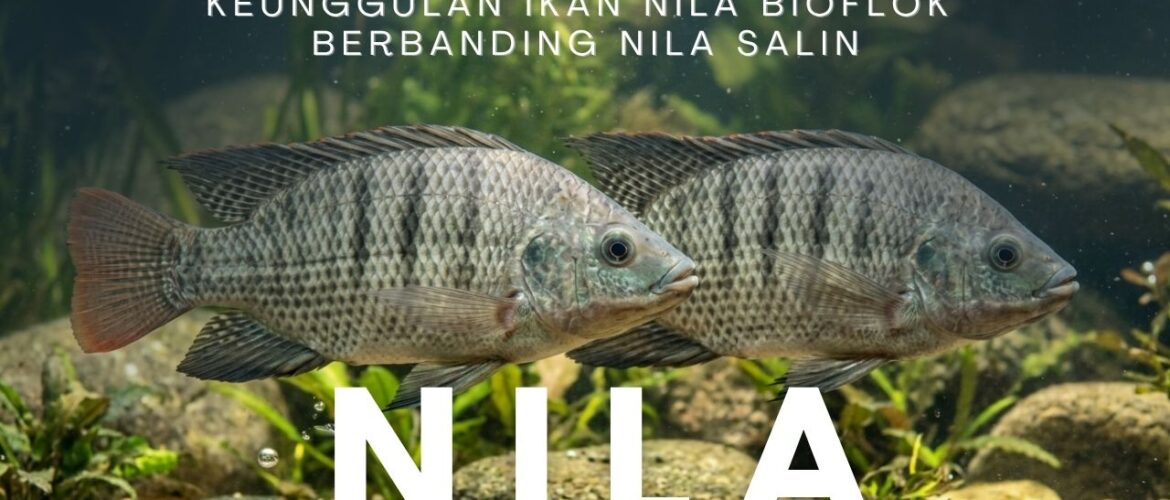
The Quality Advantages of Biofloc Tilapia Compared to Salin Tilapia
Tilapia cultivation is one of the fastest-growing freshwater fisheries sectors in Indonesia. Tilapia is highly sought after due to its relatively fast growth rate, ease of cultivation, and stable market demand. Furthermore, tilapia is known as an affordable source of protein, making it widely consumed by people from all walks of life. This makes tilapia cultivation a promising business opportunity for fisheries entrepreneurs, both small and large-scale. As cultivation technology advances, tilapia rearing methods continue to innovate. One rapidly developing method is the biofloc system, known for its ability to increase stocking density and feed efficiency. Furthermore, saline tilapia cultivation is also gaining popularity, particularly in coastal areas, utilizing brackish water or water with a specific salinity content. Both methods have their own characteristics that affect the quality of the fish produced. The quality of biofloc tilapia.
Fish quality is a crucial factor for both consumers and businesses. Consumers generally consider taste, flesh texture, and freshness of fish before purchasing. Meanwhile, businesses are more concerned with fish growth, disease resistance, and production cost efficiency. Therefore, selecting the right cultivation method significantly impacts the quality of the harvest.
This article aims to compare the quality of tilapia farmed using biofloc and saline systems. By understanding the differences in their characteristics, it is hoped that both businesses and consumers will understand the advantages and disadvantages of both cultivation methods.
Understanding Biofloc Tilapia
Biofloc tilapia are tilapia cultivated using the biofloc system, a modern farming method that utilizes microorganisms to maintain water quality and provide a supplemental food source for the fish. This system is widely used by farmers because it is considered more efficient in terms of water, feed, and land use, making it suitable for high-density cultivation.
What is a Biofloc System?
The biofloc system is a fish farming method that relies on the growth of beneficial bacteria and microorganisms in pond water. These microorganisms form small clumps called "flocs." These flocs decompose organic waste such as leftover feed and fish waste, thus maintaining water quality. Furthermore, flocs can be used as supplemental natural food for tilapia.
How the Biofloc System Works
In a biofloc system, farmers add probiotics and a carbon source such as molasses or rice bran to the pond. This stimulates the growth of beneficial bacteria. These bacteria then convert nitrogenous waste into floc, which is safe for fish. With adequate aeration, the floc remains floating in the water and can be consumed by the fish as a nutritional supplement.
Advantages of Biofloc Cultivation
Tilapia cultivation using the biofloc system has several advantages, including:
- Higher stocking density
- Feed use efficiency
- Save water usage
- Fish growth is faster
- Environmentally friendly because waste is more controlled
These advantages make the biofloc system increasingly popular among tilapia fish farmers.
Characteristics of Biofloc Tilapia
Tilapia cultivated using the biofloc system generally grow faster due to the additional nutrients provided by the floc. Furthermore, the fish tend to be more active, and harvest sizes can be more uniform. The flesh texture of biofloc tilapia is typically denser, although this characteristic can be affected by feed management and water quality during the cultivation process.
Understanding Salin Tilapia Fish
Saline tilapia is a type of tilapia cultivated in brackish water or water with a specific salt content. This type of tilapia can adapt to higher salinity conditions than regular freshwater tilapia. Saline tilapia cultivation is widely developed in coastal areas because it utilizes naturally available brackish water sources, making it a promising cultivation alternative for fisheries businesses.
What is Nila Salin
Saline tilapia is a type of tilapia cultivated in water with a specific salinity level, typically between 5 and 20 parts per thousand (ppt). Tilapia are highly adaptable to environmental changes, allowing them to thrive in brackish water. This adaptability has made saline tilapia increasingly popular among farmers, particularly in coastal areas.
Tilapia Cultivation in Brackish Water / Salinity
Saline tilapia cultivation is generally carried out in brackish water ponds, earthen ponds, or ponds previously used for shrimp or milkfish cultivation. Farmers typically undertake a gradual adaptation process to allow the tilapia to adjust to the salinity levels. This process is essential for maintaining fish health and ensuring optimal growth.
Furthermore, water quality, such as salinity, temperature, and oxygen levels, requires regular monitoring. With proper management, tilapia cultivation can produce high-quality fish with a high survival rate.
Characteristics of Salin Tilapia Fish
Saline tilapia generally has denser flesh and a more savory flavor than regular freshwater tilapia. This is due to the brackish water environment, which affects the texture and flavor of the fish's flesh. Furthermore, saline tilapia also tends to have brighter body colors and stronger physiques.
Advantages of Salted Tilapia Cultivation
Tilapia cultivation has several advantages, including:
- Utilizing brackish water pond land
- The meat tastes more savory and is in demand on the market
- Fish resistance to disease is relatively good
- Wider market opportunities, including restaurants and premium markets
- Potential for higher selling prices
These advantages make tilapia cultivation an attractive business alternative, especially for cultivators in coastal areas.
Comparison of the Quality of Biofloc Tilapia and Salin Tilapia
Different tilapia cultivation methods can impact the quality of the fish produced. Two methods currently widely used by farmers are the biofloc system and saline tilapia cultivation in brackish water. Each method has distinct environmental characteristics, which can affect the fish's growth, flesh texture, flavor, and durability.
Biofloc tilapia are cultivated in ponds with a controlled microbiological system, while saline tilapia are raised in brackish water with a specific salt content. This difference in conditions is the main factor contributing to the quality differences between the two types of tilapia.
For consumers, fish quality is typically judged by taste, flesh texture, and freshness. Meanwhile, for business owners or fish farmers, fish quality is also assessed by growth, survival rate, and production cost efficiency. Therefore, understanding the quality comparison between biofloc and saline tilapia is crucial for determining the most appropriate cultivation method for both business objectives and market needs.
In the next section, we will discuss the comparison of the quality of biofloc tilapia and saline tilapia based on several important aspects such as meat texture, taste, nutritional content, growth, and fish resistance.
Meat Texture
Meat texture is a crucial factor in determining the quality of tilapia. Differences in cultivation environments between biofloc and saline water systems can affect the density and structure of the resulting fish meat.
Biofloc Tilapia Texture
Biofloc tilapia generally have a fairly firm and soft flesh texture. This is due to the high-density farming system and the availability of supplemental feed from the flocs formed in the pond. This additional nutrition helps accelerate fish growth and improves meat quality. However, the texture of biofloc tilapia is also significantly influenced by farming management, such as water quality, feeding, and aeration. If management is suboptimal, the fish's flesh can become softer. Therefore, the biofloc system requires proper management to produce fish with a quality texture.
Texture of Salted Tilapia Fish
Saline tilapia generally has a denser and more chewy flesh texture. The brackish water environment makes the fish more active and adapts to the salinity, which affects the density of the flesh fibers. Furthermore, the mineral content in brackish water also influences the quality of the fish's flesh. The denser and more resistant texture makes saline tilapia highly sought after by consumers, especially for restaurants and culinary purposes. The flesh of saline tilapia also tends to remain firm when cooked, whether fried or grilled.
Taste and Aroma
Taste and aroma are important factors influencing consumer interest in choosing tilapia. Differences in cultivation environments between biofloc and saline water systems can impart distinct flavor and aroma characteristics to the resulting fish.
Rasa Ikan Nila Bioflok
Ikan nila bioflok umumnya memiliki rasa yang cukup gurih dengan aroma yang relatif netral. Sistem bioflok yang terkontrol membantu menjaga kualitas air sehingga dapat mengurangi bau lumpur yang biasanya muncul pada ikan air tawar. Selain itu, pemberian pakan yang teratur dan tambahan nutrisi dari flok juga berpengaruh terhadap kualitas rasa daging ikan. Namun, rasa ikan nila bioflok sangat bergantung pada pengelolaan kolam. Jika kualitas air tidak terjaga dengan baik, aroma ikan dapat berubah dan muncul bau yang kurang sedap. Oleh karena itu, manajemen budidaya yang baik sangat diperlukan untuk menghasilkan ikan nila bioflok dengan rasa yang optimal.
Taste of Salted Tilapia Fish
Salted tilapia is known for its savory and natural flavor. The brackish water environment, with its specific mineral content, can influence the flavor of the fish. Furthermore, salted tilapia generally has a fresher aroma and is free from muddy odors. The characteristic savory flavor and cleaner aroma make salted tilapia highly sought after by consumers, especially for culinary purposes such as grilled fish, fried fish, and restaurant menus. This is also one reason why salted tilapia often commands a higher market value.
Nutritional Content
Nutritional content is a crucial aspect in assessing the quality of tilapia. Cultivation environment, feed type, and water conditions can influence the nutritional value of the fish produced. Both biofloc and saline tilapia have good nutritional value, but there are several characteristic differences that should be taken into consideration by consumers and businesses.
Nutritional Content of Biofloc Tilapia
Biofloc tilapia generally have a relatively high protein content because they receive additional nutrients from microorganisms, or flocs, in the pond. The flocs formed contain beneficial bacteria, plankton, and organic matter that the fish can utilize as supplemental natural food. This helps increase feed efficiency and supports faster fish growth.
In addition, biofloc tilapia also contains important nutrients such as:
- High protein
- Healthy fats in balanced amounts
- Vitamins and minerals
- Essential amino acids
With proper management, biofloc tilapia can produce stable nutritional quality and is suitable for daily consumption.
Nutritional Content of Salin Tilapia Fish
Saline tilapia also boasts excellent nutritional value, comparable to biofloc tilapia. The brackish water environment, which contains natural minerals, can impact the fish's nutritional quality. Several studies have shown that fish farmed in brackish water tend to have a more diverse mineral content.
The nutritional content of saline tilapia generally includes:
- High protein
- The natural mineral content is more diverse
- Healthy fats
- Omega and essential amino acids
With its nutritional content, saline tilapia is a good choice for healthy consumption and is in high demand in markets that prioritize quality and taste.
Size and Growth
The size and growth of tilapia are important factors in determining the quality of the cultured fish. Differences in cultivation methods between biofloc and saline tilapia systems can affect growth rate, harvest size, and fish uniformity.
Biofloc Tilapia Growth
Ikan nila bioflok umumnya memiliki pertumbuhan yang lebih cepat dibandingkan metode budidaya konvensional. Hal ini disebabkan oleh ketersediaan pakan tambahan dari flok yang terbentuk dalam kolam. Selain itu, kepadatan tebar yang tinggi dengan pengelolaan yang baik memungkinkan ikan tumbuh secara optimal.
Some of the growth characteristics of biofloc tilapia include:
- Growth is relatively faster
- Harvest size is more uniform
- Shorter harvest time
- High stocking density
With the biofloc system, tilapia can usually be harvested in a more efficient time, making it suitable for farmers who want to increase productivity in a short time.
Growth of Saline Tilapia
Saline tilapia generally exhibits stable growth with a more compact body size. Adaptation to brackish water environments allows the fish to develop a stronger body structure, although growth can be slightly slower than biofloc tilapia.
The growth characteristics of saline tilapia include:
- Steady and natural growth
- The body structure is denser
- High survival rate
- Fish sizes tend to be larger at certain harvest times.
Although the growth of saline tilapia can be slightly slower, the quality of the meat and the durability of the fish are added values that make this method still popular with farmers.
Fish Health and Survival
Fish resilience and health are crucial factors in determining the success of tilapia cultivation. Fish with high resistance to environmental changes and disease will yield higher harvest success rates. Differences in cultivation methods between biofloc and saline tilapia systems also influence the resilience of the fish produced.
Biofloc Tilapia Durability
Biofloc tilapia generally exhibits quite good resilience when the biofloc system is properly managed. The presence of beneficial microorganisms and bacteria in the pond helps maintain water quality and suppresses the growth of pathogenic bacteria that can cause disease. Furthermore, additional nutrients from the floc can also boost the fish's immune system. However, biofloc systems require close monitoring. Disturbances such as reduced oxygen levels, microbial imbalances, or poor water quality can increase the fish's susceptibility to stress and disease. Therefore, aeration and water quality management are key to maintaining the health of biofloc tilapia.
Tilapia Salin Resistance
Saline tilapia are known to be quite resilient to environmental changes. Cultivation in brackish water accustoms the fish to more varied conditions, thus enhancing their adaptability. Furthermore, the mineral content in brackish water can help improve fish health and endurance. Saline tilapia also tend to be more resistant to several diseases common in freshwater fish. With good resilience, fish mortality rates during cultivation are typically lower. This is one of the advantages of saline tilapia cultivation, especially for farmers who prioritize production stability.
Comparison in terms of cultivation
Besides meat quality, the comparison between biofloc and saline tilapia can also be seen in terms of cultivation. Different rearing methods naturally affect land requirements, production costs, difficulty levels, and risks faced by the farmers. pembudidayaTherefore, understanding the differences between these cultivation systems is crucial for entrepreneurs in determining the most appropriate method. Biofloc tilapia cultivation is known as an intensive method that relies on technology and controlled water management. This system allows farmers to raise fish at high densities while utilizing land more efficiently. Meanwhile, saline tilapia cultivation is generally carried out in brackish water ponds, a more natural and stable system, but requires specific locations and environmental conditions. The following section will discuss a comparison of biofloc and saline tilapia cultivation based on several important aspects such as land requirements, production costs, and cultivation risks. By understanding this comparison, farmers can make the most appropriate choice for their business conditions and goals.
a. Land Requirements
Land requirements are an important consideration when determining tilapia cultivation methods. Biofloc and saline tilapia systems differ significantly in terms of land use.
Biofloc Saves More Land
Tilapia cultivation using the biofloc system is known to be more space-efficient because it uses tarpaulin ponds or circular pools with high stocking densities. In a single biofloc pond, farmers can raise a larger number of fish than with conventional methods. This makes the biofloc system suitable for limited space, even in yards or small plots.
Tilapia Salin Requires Larger Land
Unlike biofloc, saline tilapia cultivation is generally carried out in brackish water ponds, which require larger land areas. This cultivation system typically uses earthen ponds or fishponds that utilize natural conditions. Therefore, saline tilapia is more suitable for development in coastal areas with available land and brackish water sources.
b. Production cost
Production costs are also a crucial factor in determining which cultivation method to use. Each system has different cost requirements, both in terms of initial investment and operational costs.
Biofloc Costs
Biofloc cultivation typically requires relatively high initial costs. Farmers need to prepare tarpaulin ponds, an aeration system, blowers, and other supporting equipment. Furthermore, operational costs, such as electricity and probiotics, are also important components of the biofloc system. However, this system can provide efficiency in feed use and increase productivity.
Cost of Copy Tilapia
Saline tilapia cultivation generally has more flexible initial costs, especially if it uses existing ponds. Operational costs are typically lower because the cultivation system is more natural and less reliant on technological equipment. However, costs can increase if water management or regular pond repairs are required.
c. Cultivation Risks
Every cultivation method carries risks that farmers need to be aware of. Understanding these risks can help prevent losses during the cultivation process.
Biofloc Risks
Biofloc cultivation carries risks related to system stability. Disturbances such as power outages, reduced oxygen levels, or microorganism imbalances can cause stress to fish and even mass mortality. Therefore, biofloc systems require more intensive monitoring and proper management.
Risks of Copy Tilapia
Saline tilapia cultivation carries risks related to environmental conditions, such as changes in salinity, extreme weather, and pond water quality. Furthermore, coastal cultivation locations are also subject to natural factors such as tides. However, with proper management, the risks of saline tilapia cultivation can be minimized.
Advantages and Disadvantages of Biofloc Tilapia and Salin Tilapia
Each tilapia cultivation method has advantages and disadvantages that must be considered before starting a business. Both biofloc and saline tilapia cultivation systems offer their own advantages, but also present different challenges. Therefore, the choice of cultivation method should be tailored to land conditions, capital, and desired business objectives.
Biofloc tilapia is known for its high productivity and land efficiency, making it suitable for farmers with limited space. Meanwhile, saline tilapia offers good meat quality and a more stable fish life, especially in brackish water environments. These differences in characteristics are important considerations for business owners when deciding on aquaculture options.
The following section will explain in more detail the advantages and disadvantages of biofloc and saline tilapia. By understanding this comparison, farmers are expected to determine the method that best suits their needs and market opportunities.
When choosing a tilapia cultivation method, it's important to understand the advantages and disadvantages of each system. This can help farmers determine the method that best suits their specific conditions and business goals.
Advantages of Biofloc Tilapia
Tilapia cultivation using the biofloc system has several advantages that make it popular among cultivators, including:
- Saves space by using high density ponds
- Fish growth is relatively faster
- Denser production in one pond
- Water use efficiency
- Suitable for small to large scale cultivation
These advantages make the biofloc system widely chosen by farmers who want to increase productivity in limited land.
Disadvantages of Biofloc Tilapia
Selain memiliki keunggulan, sistem bioflok juga memiliki beberapa kekurangan yang perlu diperhatikan, seperti:
- Membutuhkan manajemen yang lebih ketat
- Ketergantungan terhadap listrik untuk aerasi
- Memerlukan pengawasan kualitas air secara rutin
- Risiko tinggi jika terjadi gangguan sistem
Karena itu, budidaya bioflok lebih cocok bagi pembudidaya yang siap dengan pengelolaan intensif.
Kelebihan Nila Salin
Budidaya ikan nila salin juga memiliki beberapa keunggulan yang menarik, di antaranya:
- Rasa daging lebih gurih dan alami
- Daya tahan ikan terhadap penyakit relatif baik
- Permintaan pasar cukup tinggi
- Tekstur daging lebih padat
- Potential for higher selling prices
Keunggulan ini menjadikan nila salin banyak diminati oleh pasar, terutama untuk kebutuhan kuliner dan restoran.
Kekurangan Nila Salin
Di sisi lain, budidaya nila salin juga memiliki beberapa keterbatasan, seperti:
- Membutuhkan lokasi khusus dengan sumber air payau
- Pertumbuhan cenderung lebih lambat dibanding bioflok
- Membutuhkan lahan lebih luas
- Bergantung pada kondisi lingkungan alam
Meskipun memiliki kekurangan, budidaya nila salin tetap menjadi pilihan menarik, terutama bagi pembudidaya di wilayah pesisir dengan sumber air payau yang melimpah.
Mana yang Lebih Berkualitas?
Menentukan ikan nila mana yang lebih berkualitas antara nila bioflok dan nila salin bergantung pada sudut pandang yang digunakan. Setiap metode budidaya memiliki keunggulan tersendiri, baik dari segi rasa, pertumbuhan, maupun peluang bisnis. Oleh karena itu, penting untuk melihat perbandingan berdasarkan kebutuhan dan tujuan masing-masing.
Dilihat dari Rasa
Dari segi rasa, ikan nila salin umumnya dinilai lebih unggul. Lingkungan air payau dengan kandungan mineral alami membuat daging ikan nila salin memiliki rasa yang lebih gurih dan aroma yang lebih segar. Selain itu, tekstur daging yang lebih padat juga membuat nila salin lebih diminati oleh konsumen, terutama untuk kebutuhan restoran dan kuliner. Sementara itu, ikan nila bioflok juga memiliki rasa yang cukup baik dan relatif netral. Dengan pengelolaan yang tepat, ikan nila bioflok dapat menghasilkan kualitas rasa yang baik, meskipun umumnya tidak segurih nila salin.
Dilihat dari Pertumbuhan
Jika dilihat dari pertumbuhan, ikan nila bioflok cenderung lebih unggul. Sistem bioflok menyediakan tambahan nutrisi dari flok yang membantu mempercepat pertumbuhan ikan. Selain itu, kepadatan tebar yang tinggi memungkinkan pembudidaya menghasilkan panen dalam waktu yang lebih singkat. Sebaliknya, nila salin memiliki pertumbuhan yang lebih stabil namun cenderung sedikit lebih lambat. Meskipun demikian, struktur tubuh ikan nila salin biasanya lebih padat dan kuat, sehingga tetap memiliki nilai jual yang baik di pasar.
Dilihat dari Bisnis
Dari segi bisnis, keduanya memiliki peluang yang sama baik tergantung pada kondisi dan strategi usaha. Nila bioflok cocok bagi pembudidaya yang memiliki lahan terbatas dan ingin fokus pada produksi cepat dengan volume besar. Sistem ini juga memungkinkan perputaran modal yang lebih cepat. Sementara itu, nila salin lebih cocok untuk pasar premium yang mengutamakan kualitas rasa dan tekstur daging. Harga jual nila salin juga berpotensi lebih tinggi, terutama jika dipasarkan ke restoran atau pasar khusus.
Secara keseluruhan, nila bioflok unggul dari segi produktivitas dan efisiensi, sedangkan nila salin unggul dari segi kualitas rasa dan tekstur. Pemilihan metode terbaik tergantung pada tujuan usaha, kondisi lahan, serta target pasar yang ingin dicapai.
Tips Memilih Ikan Nila Berkualitas
Memilih ikan nila berkualitas sangat penting untuk mendapatkan rasa yang lezat serta nilai gizi yang optimal. Baik ikan nila bioflok maupun nila salin dapat memiliki kualitas yang baik jika dipanen dan ditangani dengan benar. Oleh karena itu, konsumen maupun pelaku usaha perlu mengetahui ciri-ciri ikan nila yang berkualitas sebelum membeli.
Ciri Ikan Segar
Ikan nila yang segar memiliki beberapa ciri yang mudah dikenali. Mata ikan terlihat jernih dan tidak keruh, serta tidak cekung ke dalam. Insang ikan berwarna merah cerah dan tidak berlendir berlebihan. Selain itu, tubuh ikan terlihat mengkilap dan sisiknya masih melekat dengan kuat. Ikan nila segar juga memiliki daging yang kenyal ketika ditekan. Jika daging kembali ke bentuk semula setelah ditekan, itu menandakan ikan masih dalam kondisi segar dan berkualitas baik.
Warna dan Tekstur
Warna ikan nila yang berkualitas biasanya terlihat cerah dan tidak pucat. Permukaan kulit ikan juga tampak bersih serta tidak terdapat bercak atau luka yang mencurigakan. Tekstur daging ikan yang baik terasa padat dan tidak lembek.
Baik ikan nila bioflok maupun nila salin yang berkualitas memiliki tekstur daging yang kenyal dan tidak mudah hancur saat dimasak. Tekstur yang baik biasanya menunjukkan bahwa ikan dipelihara dengan kondisi lingkungan yang sehat.
Bau Ikan
Ikan nila yang berkualitas memiliki bau yang segar dan tidak menyengat. Aroma ikan yang terlalu amis atau berbau lumpur biasanya menandakan kualitas ikan kurang baik atau sudah tidak segar. Ikan nila salin umumnya memiliki aroma yang lebih segar, sementara ikan nila bioflok yang dikelola dengan baik juga tidak memiliki bau yang mengganggu.
Dengan memperhatikan ciri-ciri tersebut, konsumen dapat memilih ikan nila berkualitas baik sesuai kebutuhan, baik untuk konsumsi rumah tangga maupun usaha kuliner.
Closing
Budidaya ikan nila dengan sistem bioflok maupun nila salin sama-sama memiliki keunggulan dan karakteristik tersendiri. Ikan nila bioflok dikenal memiliki pertumbuhan yang lebih cepat, efisiensi lahan yang tinggi, serta produksi yang lebih padat. Sementara itu, ikan nila salin unggul dari segi rasa yang lebih gurih, tekstur daging yang lebih padat, serta daya tahan ikan yang lebih baik terhadap kondisi lingkungan.
Dari segi kualitas, nila salin umumnya lebih unggul dalam hal rasa, aroma, dan tekstur daging yang lebih disukai oleh konsumen. Namun, nila bioflok tetap memiliki kualitas yang baik serta lebih unggul dari segi produktivitas dan efisiensi budidaya. Oleh karena itu, kedua jenis ikan nila ini memiliki peluang pasar yang sama baiknya, tergantung pada kebutuhan dan target konsumen. Sebagai rekomendasi, nila bioflok lebih cocok untuk pembudidaya yang ingin fokus pada produksi cepat dengan volume besar, terutama untuk pasar umum dan kebutuhan harian. Sedangkan nila salin lebih sesuai untuk pasar premium seperti restoran, rumah makan, dan konsumen yang mengutamakan kualitas rasa. Dengan memilih metode budidaya yang tepat, pelaku usaha dapat memaksimalkan potensi keuntungan serta memenuhi kebutuhan pasar secara optimal.
 English
  Indonesian